
Stainless Steel Coils: How to Choose the Right Width, Gauge, and Finish
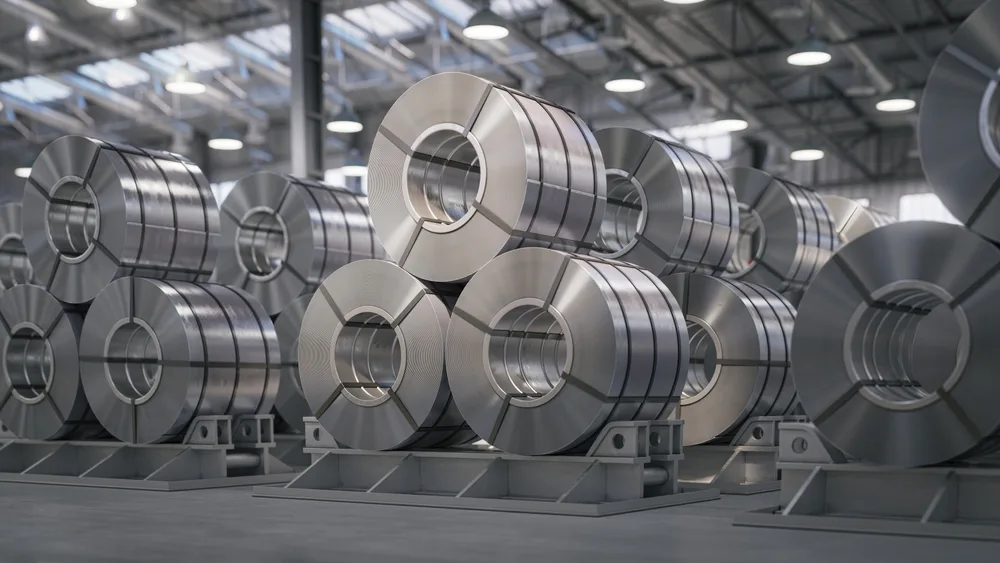
Stainless steel coils are a foundational input for fabrication, forming, slitting, stamping, tube manufacturing, and numerous industrial production processes. However, selecting the right coil involves considerably more than choosing a grade and a nominal thickness. Width, gauge, surface finish, edge condition, coil weight, tolerances, and certification all influence downstream efficiency, product performance, and total procurement cost.
For procurement managers, engineers, and project leads, the correct specification must begin with the final application. A coil intended for decorative panels will require a different finish and surface-protection strategy from material used to manufacture process equipment, stainless steel pipes, or chemical handling components.
This guide outlines the principal selection criteria for industrial buyers sourcing stainless steel coils against demanding quality and international standards.
Begin With the Application
The most reliable method is to work backward from the finished component. Before requesting quotations, define:
- The operating environment, including moisture, chlorides, chemicals, and temperature
- Required mechanical strength and formability
- Part dimensions and blank layout
- Fabrication method, such as stamping, bending, slitting, rolling, or tube forming
- Required surface appearance and roughness
- Applicable material standard and certification
- Coil-handling limitations at the receiving facility
A technically complete enquiry allows industrial metal suppliers to recommend a coil that is fit for purpose rather than simply available from stock.

Choosing the Right Coil Width
Width directly affects nesting efficiency, material utilisation, slitting requirements, and production-line compatibility. Common stainless steel coil widths include:
- 1,000 mm
- 1,219 mm or 48 inches
- 1,250 mm
- 1,500 mm
- 1,524 mm or 60 inches
- 2,000 mm and wider, subject to mill capability and grade
Major producers may offer cold-rolled stainless steel products in widths extending to approximately 2,032 mm, while specific finishes and grades may have narrower availability. Outokumpu’s cold-rolled coil dimensions reference illustrates how width capability varies according to thickness, finish, and material grade.
How width affects downstream processing
A wider master coil can improve yield when large blanks or multiple components are nested across the strip. Conversely, purchasing excessive width may increase cost because the material will require additional slitting, create more edge trim, and generate avoidable scrap.
When specifying width:
- Determine the finished blank width and nesting arrangement.
- Add the required trim allowance and process margin.
- Confirm the slitter’s maximum coil width and minimum slit width.
- Establish whether the material should be supplied as a master coil or slit coil.
- Define the required width tolerance.
For precision applications, width tolerance may be specified as a fixed value, such as ±0.10 mm, or by reference to the applicable ASTM or EN standard. The tolerance required for a precision slit strip will generally be more stringent than the tolerance acceptable for a mill-edge master coil.
Gauge and Thickness: Specify the Actual Measurement
“Gauge” is commonly used in procurement discussions, but gauge systems can vary. For this reason, buyers should always state the required thickness in millimetres or inches, with gauge shown only as a supporting reference.
Typical cold-rolled stainless steel coil thicknesses range from approximately 0.25 mm to 6 mm, although specialist mills and service centres may supply thinner or thicker products. Common industrial examples include:
- 0.50 mm for light formed parts and trim
- 0.80–1.00 mm for panels, covers, and housings
- 1.20–2.00 mm for fabricated enclosures and general components
- 3.00 mm and above for heavier brackets, frames, and structural parts
For reference, common approximate gauge conversions include:
- 20 gauge: approximately 0.95 mm
- 18 gauge: approximately 1.27 mm
- 16 gauge: approximately 1.59 mm
- 14 gauge: approximately 1.98 mm
- 11 gauge: approximately 3.05 mm
These conversions are not universal across every gauge standard. A purchase order should therefore identify the exact nominal thickness and permitted tolerance.
Thickness tolerance and formability
Thickness tolerance influences forming consistency, finished dimensions, weld preparation, and material consumption. Standard mill tolerances may be suitable for general fabrication, while precision components may require tighter control.
The correct gauge must balance:
- Strength and stiffness
- Weight and material cost
- Bend radius and forming method
- Deep-drawing requirements
- Welding and heat-input considerations
- Dimensional stability after processing
A thicker coil is not automatically the better choice. Excess thickness can increase weight, forming force, and fabrication cost. Similarly, an excessively thin coil may cause distortion, buckling, or insufficient service strength.
Selecting the Surface Finish
Surface finish affects appearance, cleanliness, friction, reflectivity, corrosion behaviour after processing, and the amount of secondary finishing required. The finish must be stated clearly because terms such as “polished” or “bright” can be interpreted differently between suppliers.
2B finish
2B is one of the most widely used stainless steel finishes. It is produced through cold rolling, annealing, pickling, and a final light pass through polished rolls.
Typical characteristics:
- Smooth, uniform grey-to-bright appearance
- Good general-purpose surface quality
- Suitable for forming and fabrication
- Widely available in 304, 304L, 316L, and other grades
2B is generally appropriate for industrial equipment, fabricated panels, food-processing components, storage vessels, and applications where a clean surface is required but a decorative finish is not essential.
BA or bright annealed finish
BA is produced by bright annealing in a controlled atmosphere after cold rolling. It provides a highly reflective, bright appearance with low surface roughness.
Typical applications include:
- Decorative panels
- Appliances
- Architectural trim
- Visible enclosures
- Components where reflectivity and smoothness are important
BA surfaces require careful handling and protection because scratches and handling marks are more visible.
No. 4 and brushed finishes
No. 4 is a mechanically polished finish with a uniform satin appearance and directional abrasive lines. Brushed finishes may use different grit levels, such as 150, 180, 240, or 320 grit, depending on the required appearance.
No. 4 or brushed finishes are commonly selected for:
- Elevator doors
- Architectural cladding
- Appliance fronts
- Visible equipment panels
- Commercial kitchens
- Public-facing industrial installations
The directional grain should be defined in the technical specification, particularly where multiple panels will be assembled together. Protective PVC film may also be required to preserve the finish during cutting, bending, transport, and installation.
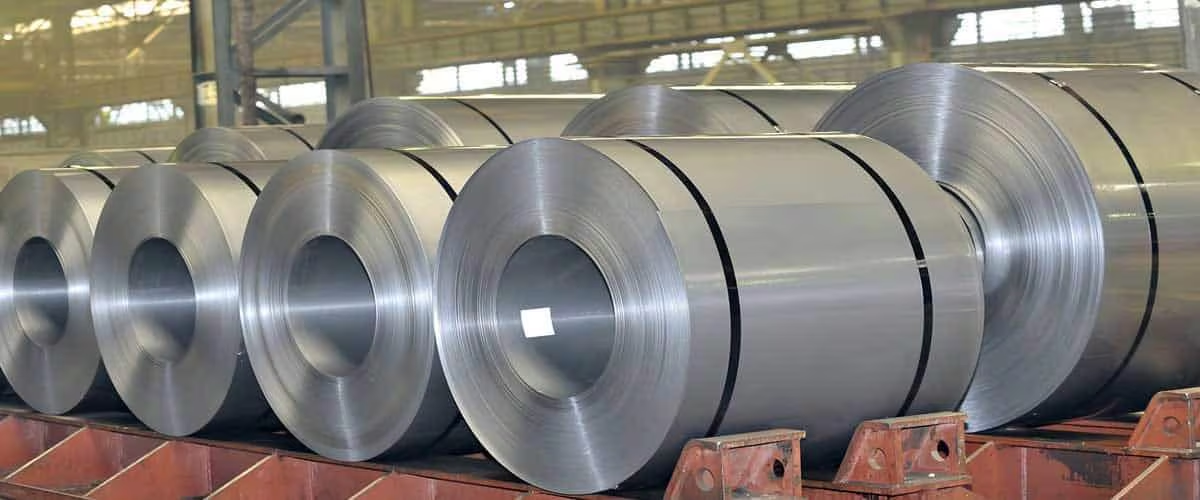
Selecting the Appropriate Grade
The grade determines corrosion resistance, strength, weldability, formability, and lifecycle performance. Three widely specified options are 304, 316L, and duplex stainless steel.
304 stainless steel
304 is a versatile austenitic grade used across construction, fabrication, food equipment, general manufacturing, and architectural applications. It offers a strong balance of corrosion resistance, formability, weldability, availability, and cost.
It is typically considered for:
- General industrial fabrication
- Indoor and outdoor equipment
- Food and beverage machinery
- Storage tanks
- Panels, housings, and enclosures
- General stainless steel pipes and tube production
316L stainless steel
316L contains molybdenum and provides improved resistance in many chloride-bearing and chemically aggressive environments. Its low carbon content also supports improved resistance to sensitisation after welding.
316L is frequently selected for:
- Marine and offshore equipment
- Petrochemical and chemical processing
- Pharmaceutical equipment
- Salt-exposed installations
- Process vessels and piping systems
- Welded components requiring low-carbon stainless steel
Duplex stainless steel
Duplex grades, including 2205, combine austenitic and ferritic microstructures. They are selected where high mechanical strength, resistance to localised corrosion, and resistance to stress-corrosion cracking are required.
Duplex coils are commonly considered for:
- Offshore structures
- Desalination equipment
- Chemical storage tanks
- Oil and gas process systems
- High-strength fabricated components
- Demanding piping and pressure-containing applications
Hindco supplies stainless steel coils as well as duplex and super duplex coils for industrial and infrastructure-focused applications.
Coil Weight, Edge Condition, and Handling
Coil weight is an important commercial and operational parameter. A heavier coil may reduce the number of coil changes on a production line, but it can also exceed the lifting, decoiling, or storage capacity of the facility.
Confirm the following before placing an order:
- Maximum and minimum coil weight
- Inside diameter and outside diameter
- Coil orientation and packaging
- Core dimensions
- Lifting and unloading requirements
- Maximum weight permitted by the receiving plant
Edge condition must also be specified:
- Mill edge: The original rolled edge, generally supplied on master coils
- Slit edge: A cut edge created during slitting, used where precise strip widths are required
For tube manufacturing, stamping, and automated forming, the edge condition can influence feeding behaviour, weld preparation, and the consistency of the finished product. Buyers should clarify whether deburring or edge conditioning is required.
Certification and Documentation Checklist
Reliable sourcing depends on traceability and documentation. A technically suitable coil without adequate certification can create serious approval and compliance risks.
Request the following documentation where applicable:
- Material Test Report (MTR)
- Heat number and coil identification
- Chemical composition
- Tensile, yield, and elongation results
- Hardness data where required
- Dimensional inspection report
- Surface-finish confirmation
- Certificate of conformity
- Compliance with ASTM A240 and ASTM A480, or the specified EN standard
- Third-party inspection documentation for critical projects
- Country-of-origin and export documentation
The MTR should correspond directly to the heat and coil supplied. For regulated projects, confirm any additional requirements related to pressure equipment, food contact, marine service, oil and gas specifications, or customer-approved mill lists.
A Practical Purchase Specification
A complete enquiry might read:
Stainless steel coil, ASTM A240 Type 316L, 1.50 mm nominal thickness, 1,250 mm slit width, 2B finish, slit edge, coil weight up to 5 MT, thickness and width tolerances to applicable ASTM requirements, PVC protection required, MTR and certificate of conformity included.
For duplex material, identify the precise grade, such as UNS S32205 or S31803, rather than using only the general term “duplex.”
Final Procurement Checklist
Before approving a supplier, confirm that the quotation covers:
- Correct grade and standard
- Nominal thickness and tolerance
- Coil width and width tolerance
- 2B, BA, No. 4, or other specified finish
- Mill edge or slit edge
- Coil ID, OD, and maximum weight
- Surface protection and packaging
- Inspection and certification requirements
- Delivery schedule and export documentation
Selecting stainless steel coils with this level of precision protects production continuity, reduces material waste, and ensures that the finished component meets its intended service conditions. As an experienced industrial metal supplier, Hindco Steel And Alloys supports customers with precision-engineered stainless steel products, documented quality, competitive sourcing, and dependable global delivery.
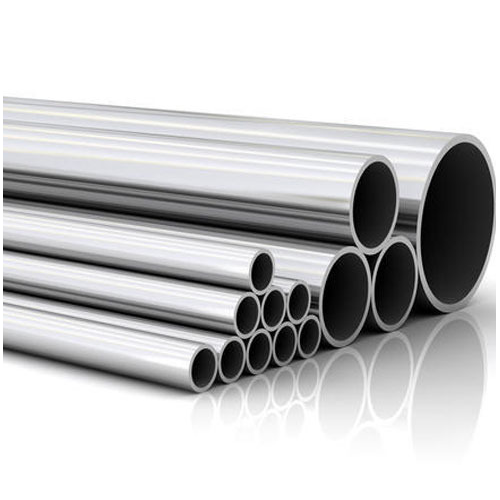
For projects requiring fabricated piping, also review our range of stainless steel pipes and related industrial metal products.